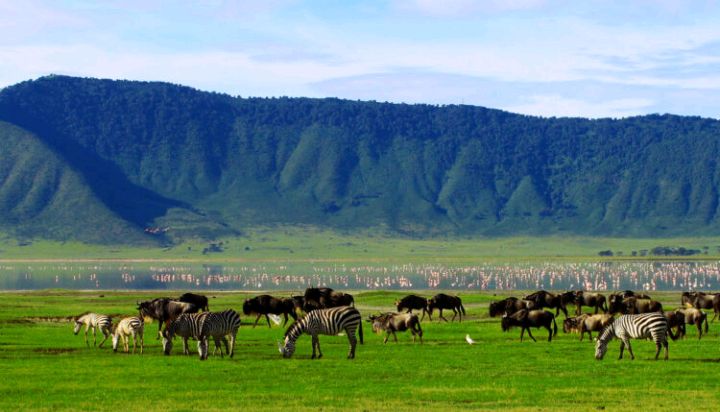
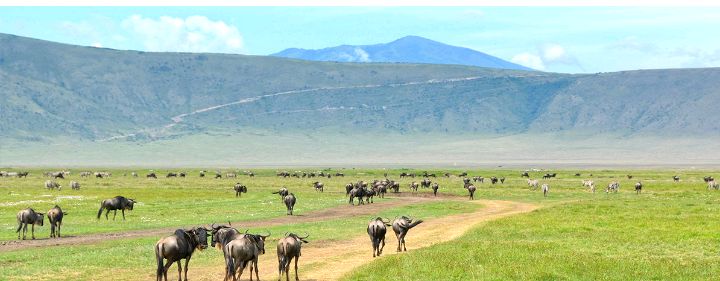
Ngorongoro Crater is the world’s largest intact volcanic caldera, and recognized as a UNESCO World Heritage Site. It is one of Africa’s Seven Natural Wonders and a premier safari destination. home to over 25,000 animals including the Big Five,
Also, Ngorongoro Crater Winn Africa Leading tourist attractions 2025.
- Location: Ngorongoro District, Arusha Region, ~180 km west of Arusha City.
- Size: About 260 km² crater floor within the larger 8,292 km² Ngorongoro Conservation Area.
- Formation: Created ~2–3 million years ago when a massive volcano collapsed.
- Status: UNESCO World Heritage Site since 1979.
Wildlife
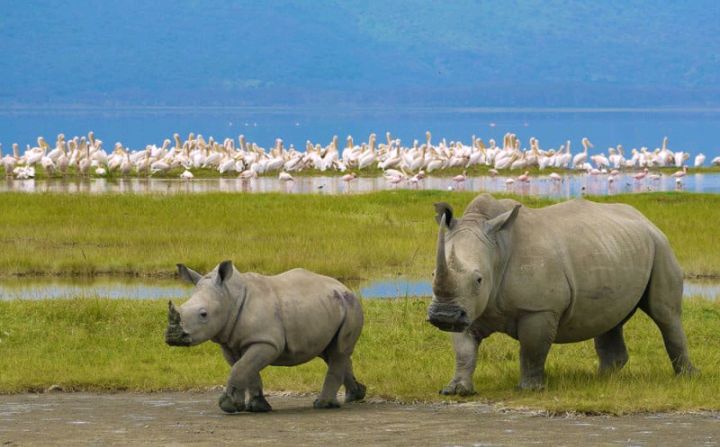
- Big Five: Lions, elephants, leopards, buffaloes, and black rhinos.
- Other species: Hippos, hyenas, zebras, wildebeests, gazelles, elands, warthogs.
- Bird life: Over 500 species including flamingos at Lake Magadi.
- Unique feature: One of the best places in Tanzania to spot rhinos, which are rare elsewhere.
Cultural & Human Dimension
- Maasai pastoralists live and graze livestock in the conservation area, practicing traditional semi-nomadic lifestyles.
- The area is managed as a multiple land-use zone, balancing wildlife conservation with human habitation
Visiting Information
- Best time to visit: Year-round, but dry season (June–October) offers easier wildlife viewing,
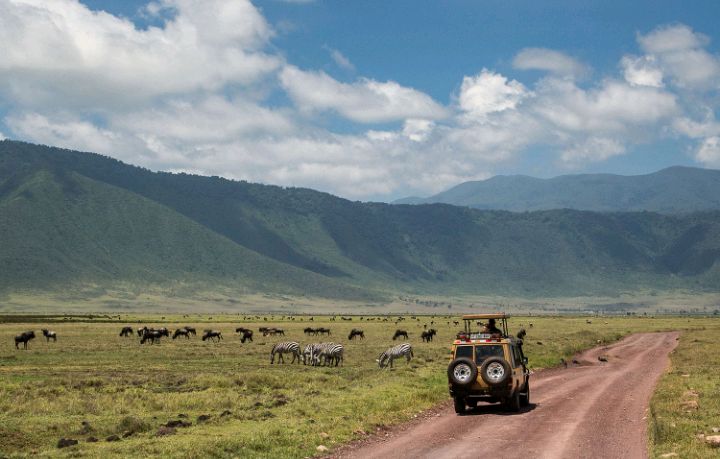
- Activities: Game drives, birdwatching, cultural visits to Maasai villages, photography.
- Access: Typically reached via Arusha; safari tours often combine Ngorongoro with Serengeti and Lake Manyara.
Note:
- Ngorongoro Crater is unmatched for density of wildlife in a compact area.
- It combines natural wonder with cultural heritage, making it unique among safari destinations.
- Its accessibility and year-round appeal make it a cornerstone of Tanzanian tourism.
Day by Day Itinerary
Full day trip
Inclusive
-Transportation ( 4x4 vehicle)
Premium, luxury transport
-Professional guide guide
- Meals & soft drinks
-Entry fees